
What 2026 BC Assessments Really Mean for Vancouver Homeowners
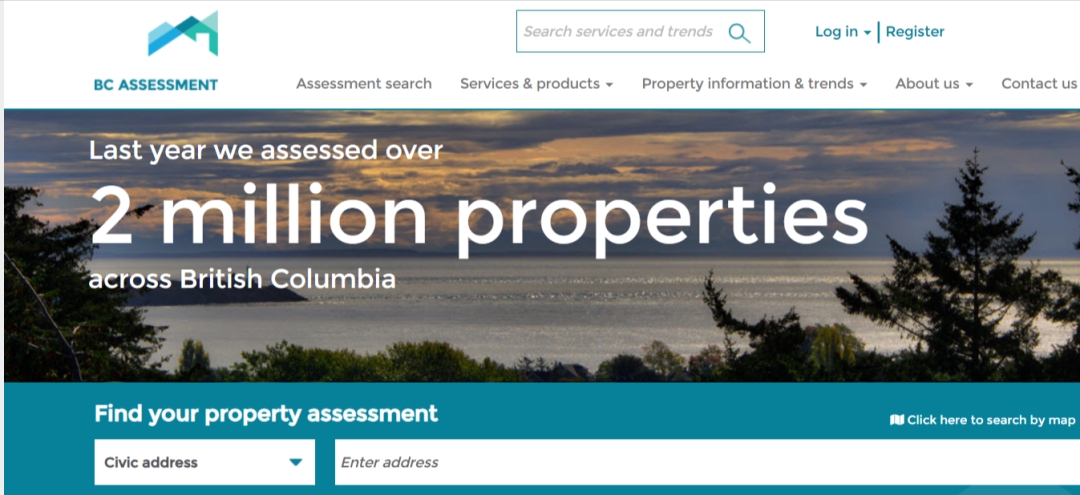
BC Assessment released its 2026 property assessments on January 2, revealing significant value decreases across the Lower Mainland. The average single-family home in Vancouver dropped 5% year over year from $2.205 million to $2.092 million with the University Endowment Lands experiencing the steepest decline at 8%.
Overall, the region’s combined assessed value fell from $2.01 trillion to $1.92 trillion, reflecting a softening housing market.
Yet many Vancouver homeowners are confused about what these numbers mean for their property tax bills. According to BC Assessment, assessed value decreases do not automatically result in corresponding property tax decreases, a distinction most property owners misunderstand.
How Assessment Changes Actually Affect Taxes
The key lies in relative change, not absolute value. BC Assessment clarifies that “how your assessment changes relative to the average change in your community is what may affect your property taxes.” This means:
-
If your assessed value declined more than the typical change in your neighbourhood, your taxes may decrease.
-
If your assessed value declined less than average, your taxes can rise, even if your home is worth less than last year.
“Every January, I get calls from homeowners shocked to learn their taxes increased despite lower assessments,” says Kim Lee, a Vancouver realtor. “It’s one of the most misunderstood aspects of property ownership in BC.”
What Homeowners Should Do Now
Property owners who believe their 2026 assessment doesn’t reflect fair market value have until February 2, 2026 to file a Notice of Complaint with the independent Property Assessment Review Panel.
Kim Lee recommends three immediate steps:
-
Review your notice carefully. Compare your assessed value to similar properties in your neighbourhood using BC Assessment’s free online search tool.
-
Understand the relative impact. Did your home’s value drop more or less than your neighbourhood average? This determines whether your taxes increase or decrease.
-
Consider an appeal if warranted. If you believe your assessment is inaccurate, gather comparable sales data and file before the February 2 deadline.
Context Matters
It’s worth noting that Vancouver City Council approved a 0% property tax increase for 2026, which may help offset some impacts. However, this municipal freeze does not apply to school taxes, TransLink levies or other regional charges.
“Your BC Assessment notice is a snapshot taken six months ago, it’s not a market appraisal and it’s definitely not your tax bill,” Kim Lee explains. “As a realtor working with buyers and sellers daily, I see how assessed values can diverge from actual market conditions. That’s why professional guidance matters.”
About Kim Lee
Kim Lee is a Vancouver real estate agent specializing in helping buyers, sellers and investors navigate Metro Vancouver’s dynamic market. With expertise in local pricing trends and policy changes, Kim provides sound counsel on market timing, property valuation and investment strategy.
Media Contact
Company Name: Kim Lee Real Estate
Contact Person: Kim Lee
Email: Send Email
Phone: 778-997-8938
Address:400-1286 Homer St
City: Vancouver
State: BC
Country: Canada
Website: https://www.kimlee.ca/


