
Philip Ashton-Rickardt Debunks 5 Myths About Biotech and Brain Disease Research
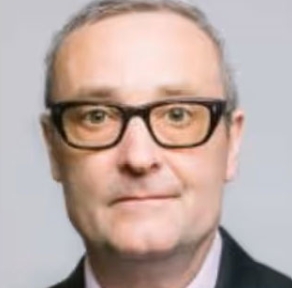
Philip Ashton-Rickardt, Managing Director and Chief Scientific Officer at BE Therapeutics, is speaking out about common misconceptions surrounding biotechnology, neurodegenerative disease research, and the development of advanced cell therapies.
After decades in academic immunology and biotech leadership, Ashton-Rickardt says misinformation and unrealistic expectations continue to create confusion around how scientific innovation actually works.
“People often underestimate how complex these diseases are,” he says. “At the same time, they sometimes overestimate how quickly science moves from discovery to treatment.”
Below, Ashton-Rickardt breaks down five myths he believes continue to mislead patients, families, and even people inside the biotech industry.
Myth #1: Breakthrough therapies happen overnight
Why people believe it
Media headlines often present scientific discoveries as immediate breakthroughs. Early-stage research can sound like a finished product long before it reaches patients.
The reality
Most therapies take years to develop. According to the Biotechnology Innovation Organization, the average drug development timeline can exceed 10 years, with many experimental therapies never reaching approval.
“Meaningful progress usually takes longer than expected,” Ashton-Rickardt says.
Practical tip
When reading health or biotech news, look for where a therapy actually is in development. Preclinical research, Phase 1 trials, and approved treatments are very different stages.
Myth #2: Neurodegenerative diseases only affect neurons
Why people believe it
Most people associate diseases like ALS or multiple sclerosis strictly with nerve cell damage.
The reality
The immune system also plays a major role in many neurological diseases. Inflammation inside the brain and central nervous system is increasingly recognized as a key factor in disease progression.
That is one reason Ashton-Rickardt’s work focuses heavily on engineered immune cell therapies.
“We are still early in understanding how immune regulation can be applied to neurological disease,” he says.
Practical tip
Pay attention to new research around neuroinflammation and immune biology. Understanding brain disease today requires looking beyond neurons alone.
Myth #3: Bigger companies always innovate faster
Why people believe it
Large pharmaceutical companies have more resources, larger teams, and bigger budgets.
The reality
Many major innovations start in smaller research groups or startups. Early-stage biotech companies often move faster because they are more focused and less constrained by large organizational structures.
Ashton-Rickardt himself moved from academia into startup biotech specifically to work more directly on translational therapies.
“A good idea without a path to implementation is not enough,” he says.
Practical tip
Do not judge innovation by company size alone. Some of the most important advances in biotech start with small teams solving narrow problems well.
Myth #4: Scientific leadership is only about scientific expertise.
Why people believe it
People often assume strong scientists automatically become effective leaders.
The reality
Scientific leadership also requires communication, adaptability, hiring, prioritization, and operational discipline.
Ashton-Rickardt has led academic departments, biotech startups, and research organizations with teams of dozens of scientists. He says leadership became more about people over time.
“Early in my career, I focused mostly on scientific rigor,” he says. “Over time, I learned leadership also requires patience, communication, and adaptability.”
Practical tip
If you work in science or healthcare, build communication and management skills alongside technical expertise. Those skills become increasingly important as organizations grow.
Myth #5: Innovation comes from having all the answers.
Why people believe it
Experts are often expected to project certainty.
The reality
Strong scientific organizations are built around learning, questioning assumptions, and adapting when data changes.
“I’m always learning,” Ashton-Rickardt says. “Once you assume you already know enough, you fall behind very quickly.”
Research environments change constantly. New data can reshape entire strategies.
Practical tip
Stay curious. Read broadly. Ask better questions. In science and business, long-term success usually depends more on adaptability than certainty.
If You Only Remember One Thing
Progress in biotechnology is usually gradual, collaborative, and more complex than headlines suggest. Most breakthroughs come from years of disciplined work, constant learning, and small improvements over time.
“Resilience, flexibility, hard work, curiosity,” Ashton-Rickardt says. “Those are the things that matter.”
Why These Myths Matter
Neurological diseases affect hundreds of millions of people globally, according to the World Health Organization. At the same time, public understanding of how therapies are developed often remains limited.
Ashton-Rickardt believes better awareness can help people make more informed decisions about science, healthcare, and innovation.
“People perform better when they stay curious and realistic,” he says.
Call to Action
Share this list of myths with someone interested in science, healthcare, or biotechnology. Then choose one practical tip above and apply it today — whether that means reading more critically, learning about neuroinflammation, or simply asking better questions about how innovation really works.
About Philip Ashton-Rickardt
Philip Ashton-Rickardt is Managing Director and Chief Scientific Officer at BE Therapeutics and co-founder of Halyard Therapeutics. Based in Boston, he is an immunologist and biotech executive focused on developing engineered cell therapies for neurodegenerative diseases such as ALS and multiple sclerosis. Before transitioning into biotech, he held academic leadership positions at Imperial College London and the University of Chicago. Over the course of his career, he has founded biotech companies, led large scientific teams, published extensively in immunology research, and helped advance innovative therapies from early-stage discovery toward clinical development.
Media Contact
Company Name: Philip Ashton-Rickardt
Contact Person: Philip Ashton-Rickardt
Email: Send Email
City: Boston
Country: United States
Website: https://www.philipashton-rickardt.com


