
UrgentVet Shares Essential Guidance to Help Pet Owners Prepare for Urgent Veterinary Care Needs
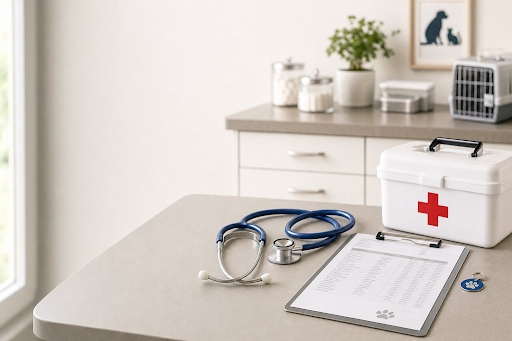
When a pet gets sick or hurt after regular office hours, quick judgment can make treatment simpler and less stressful. Urgent care clinics fill an important space between a routine appointment and a full emergency hospital. Knowing where to go and what to expect helps you respond with more confidence.
Many common problems need prompt attention even when they are not immediately life threatening. Before a crisis happens, it helps to find a South Carolina urgent vet clinic location near you so you are not searching while your pet is in pain. UrgentVet is a trusted after-hours emergency vet alternative, offering fast, affordable same-day veterinary urgent care for pets, because your pet can’t wait to feel better®. A little preparation can shorten delays, clarify costs, and make handoffs between providers easier. It also gives you a better sense of when urgent care fits the problem and when an emergency hospital is the safer choice.
When urgent care makes sense
Not every sudden illness calls for the highest level of emergency treatment, but many symptoms should not wait for the next available appointment. Dogs and cats often benefit from same day evaluation for vomiting, diarrhea, limping, ear irritation, coughing, minor wounds, or a sharp drop in appetite. You may also want care for nail injuries, mild allergic reactions, or signs of pain after a fall. In these cases, early treatment can keep a manageable issue from becoming more serious. If your pet is struggling to breathe, bleeding heavily, collapsing, or having seizures, an emergency hospital is usually the better destination.
Pay attention to changes in posture, movement, and behavior while you decide what to do. Cats may hide quietly when they feel unwell, while dogs often pace, whine, or resist being touched. Calling ahead can help staff judge whether your description fits urgent care and what records or medications to bring. That information gives the veterinary team a clearer starting point when you arrive. Clear observations from you can speed up decisions and improve the first steps of treatment.
What happens during the visit
An urgent clinic is built for conditions that need prompt attention without every specialty service found in a large hospital. After check in, a technician often gathers your pet’s history, checks vital signs, and looks for signs that the case needs faster intervention. The veterinarian then performs an exam and may recommend imaging, bloodwork, or focused testing of the ears, skin, or digestive system. Treatment may include fluids, pain relief, wound cleaning, medications, or instructions for close home monitoring. The immediate goal is to relieve discomfort, stabilize the problem, and decide whether follow up care is needed.
Triage affects wait times, so another pet with a more severe condition may be seen first. Costs vary by location, but urgent visits are often less expensive than full emergency hospital care. Ask for a written estimate before treatment starts so you can weigh options clearly. If you are comparing after hours care choices, UrgentVet can help pet owners review services and locations. Reasonable expectations make a tense visit feel more manageable.
How to prepare before you need help
Good preparation starts long before your pet has a sudden problem. Keep your regular veterinarian’s number handy, save nearby after hours options in your phone, and know where the nearest emergency hospital is located. Store vaccine history, medication lists, and past records in a place you can access quickly. If your pet has insurance, review deductibles, reimbursement rules, and claim deadlines before you need to file anything. Organized planning can save valuable time when your pet needs quick care.
Practical supplies matter too. Keep a leash, carrier, towel, and cleaning materials ready in case you need to leave the house quickly. Bring a fresh sample when a clinic requests one, and avoid giving human medications unless a veterinarian specifically directs you to do so. Staying calm helps your pet and makes it easier to share accurate details with the medical team. Fast, clear action gives urgent veterinary care the best chance to work as intended.
Media Contact
Company Name: UrgentVet
Contact Person: Dr. Jim Dobies
Email: Send Email
Country: United States
Website: https://urgentvet.com/


