
Brian Casella Calls Attention to the Hidden Risks Behind Local Events
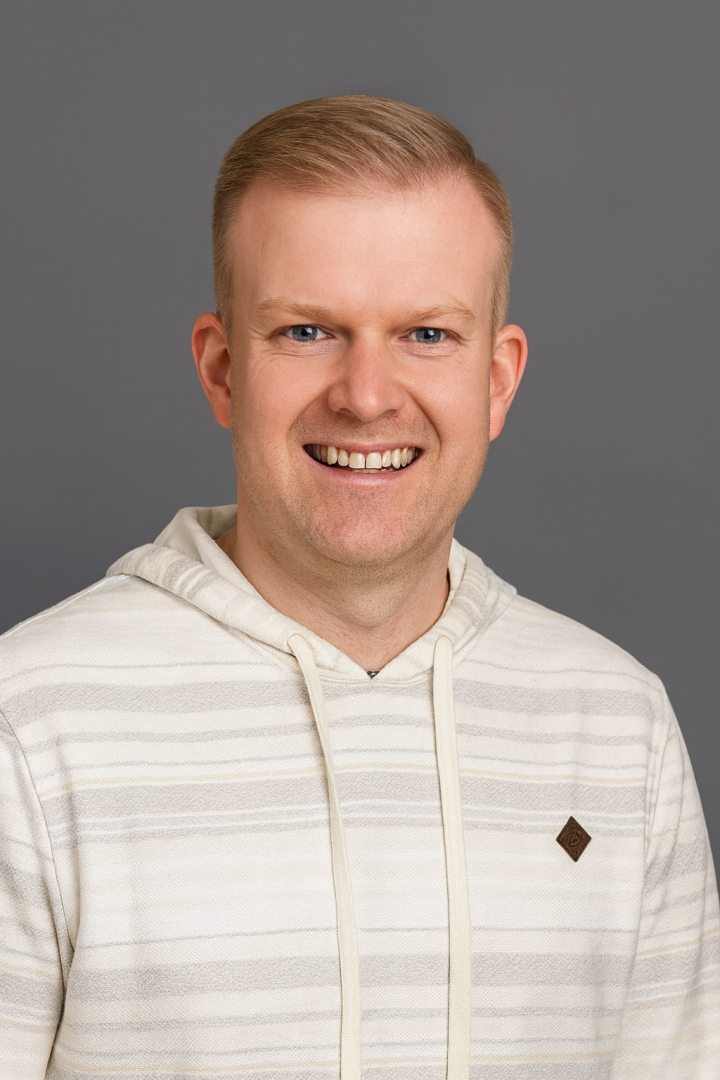
Local events across Connecticut and the broader Northeast are getting bigger, more complex, and more frequent. From weddings and charity galas to corporate gatherings and community festivals, expectations are rising. According to event professionals, that growth is exposing a broader issue many attendees never see: a lack of preparation and infrastructure behind the scenes.
Brian Casella, an award-winning lighting engineer and founder of Fox Haus Event Production, says many problems that surface during events are not accidents. They are the result of decisions made weeks earlier.
“Most event failures don’t happen on show day,” Casella said. “They’re created during planning, when details like power, timing, and safety are treated as secondary.”
Why This Issue Matters Locally
Connecticut and the Northeast host tens of thousands of private and public events each year. As venues push to accommodate demand, technical standards do not always keep pace.
-
Connecticut hosts more than 30,000 permitted events annually, according to state and municipal estimates.
-
Regional wedding and private event bookings have increased by over 20 percent since 2021.
-
Fire marshal reports show that temporary power and rigging issues remain among the most common event safety concerns statewide.
-
Venues built decades ago often lack modern power infrastructure required for today’s productions.
-
Event delays tied to technical issues cost planners and clients thousands of dollars per incident on average.
“When systems aren’t reliable, stress shows up everywhere,” Casella explained. “Guests feel it, crews feel it, and clients feel it.”
The Problem People Get Wrong
Casella believes many people confuse visual quality with operational quality.
“A space can look expensive and still be fragile behind the scenes,” he said. “Reliability is what actually protects the experience.”
He notes that local events often rely on assumptions rather than verification. Power is assumed to be sufficient. Timelines are assumed to be flexible. Backup plans are assumed to be unnecessary.
“Assumptions are where things break,” Casella said. “Preparation is what keeps problems invisible.”
What Reliable Events Do Differently
According to Casella, well-run events share common traits regardless of size.
“They plan early, test systems, and build in time for things to go wrong,” he said. “That’s not pessimism. That’s experience.”
He adds that reliability is not about spending more money. It is about making smarter decisions earlier.
“The calmest events I’ve worked on weren’t the biggest,” Casella said. “They were the ones where nothing was left to chance.”
Local Action List: 10 Steps People Can Take This Week
For individuals planning or participating in local events, Casella suggests starting with practical steps.
-
Ask venues about power limits and circuit availability.
-
Confirm load-in and load-out times in writing.
-
Request a clear event timeline with buffers built in.
-
Walk the space in person before finalizing plans.
-
Ask vendors how they handle backups and redundancy.
-
Avoid last-minute design changes that affect infrastructure.
-
Make sure someone owns final technical decisions.
-
Test lighting, sound, and power before doors open.
-
Build extra time into transitions, not just setup.
-
Choose partners based on reliability, not just visuals.
How to Find Trustworthy Local Resources
Casella recommends starting with local professionals who have repeat relationships with venues and municipalities. Consistent collaboration often signals reliability.
“Look for people who ask hard questions early,” he said. “That usually means they’ve seen what happens when you don’t.”
Checking local permits, fire marshal guidelines, and venue requirements can also reveal whether an event plan is realistic.
A Call to Action
Casella encourages residents, planners, and organizers to take one step today.
“Pick one thing from the list and act on it,” he said. “Small changes made early prevent big problems later.”
By focusing on preparation and reliability, local events can feel smoother, safer, and more memorable for everyone involved.
About Brian Casella
Brian Casella is an award-winning lighting engineer and the founder of Fox Haus Event Production, based in Brookfield, Connecticut. With more than a decade of experience, he specializes in transforming spaces through precise lighting design, power planning, and technical execution for weddings, corporate events, concerts, and large-scale productions across the Northeast.
Media Contact
Contact Person: Brian Casella
Email: Send Email
City: Brookfield
State: Connecticut
Country: United States
Website: www.briancasella.com


